How COMPAS Achieved a 93.8% Student Engagement Rate in Wellbeing Outreach with HelloSend

Before HelloSend, COMPAS clinicians often went into student conversations without knowing what had been said before. Now every SMS and call lives in one place, so clinicians across seven universities can pick up where the last conversation ended, stay on top of follow-ups, and spend their time supporting students instead of chasing records.
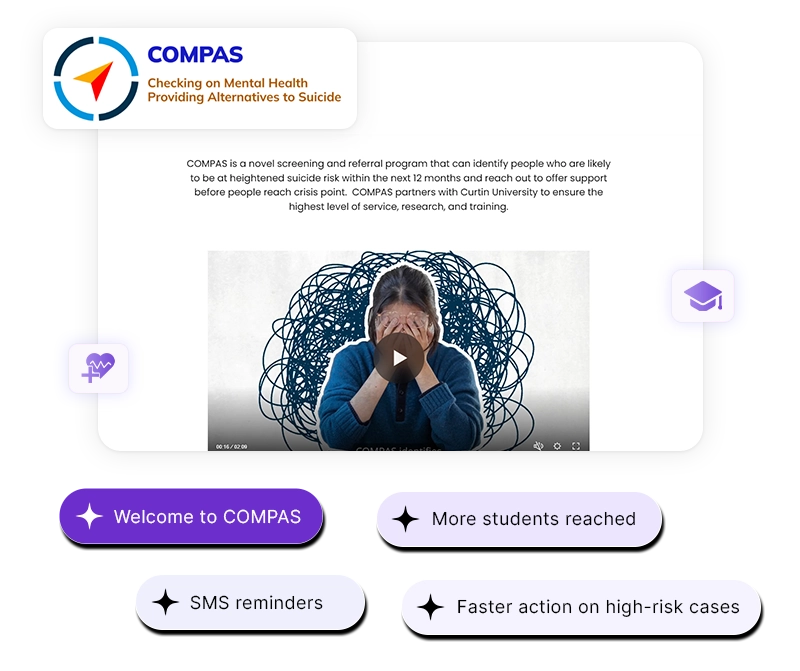
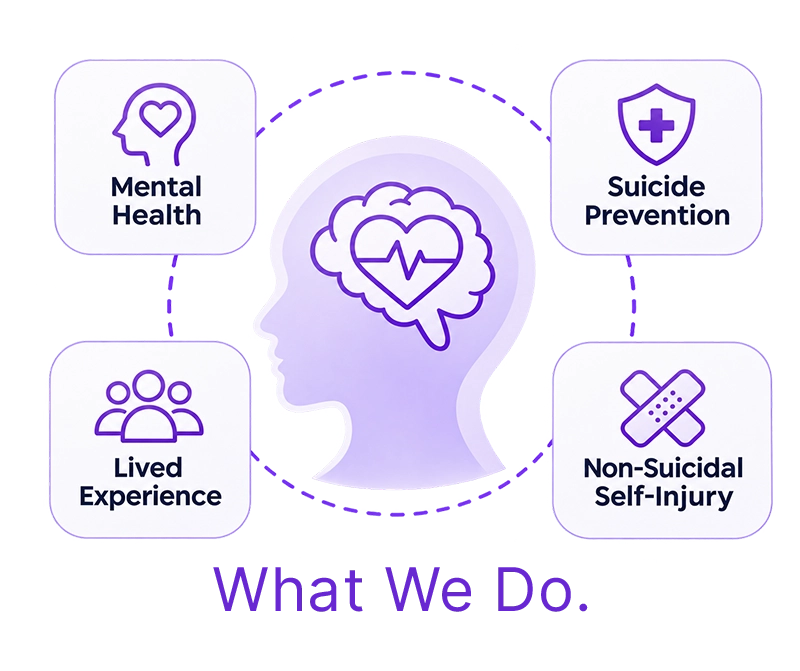
Image shows how people can benefit from using COMPAS
The image shows the role of COMPAS

About COMPAS

COMPAS is a suicide prevention and mental health support program for Australian universities, developed collaboratively with input from university and community stakeholders, senior clinical psychologists, individuals affected by suicide loss, and students with lived experience. Students complete a wellbeing survey, and an algorithm flags those who may be at risk. Clinicians then reach out to each flagged student to offer support.


What are the Critical Challenges of COMPAS?

  • For any team running high-stakes outreach across multiple sites, COMPAS faced a familiar problem. The conversations mattered most, yet the records of them lived nowhere.
  • Without a unified system, everyday interactions relied on scattered phone calls and unlogged SMS messages. That created serious gaps.
  • Clinicians often started each interaction without knowing what had been discussed before.
  • Students risked repeating themselves, and clinicians lacked context during sensitive moments.

‍

Main Challenges

Image shows the crucial challenges of COMPAS
No conversation history
Image shows the crucial challenges of COMPAS
Broken continuity of care
Image shows the crucial challenges of COMPAS
Fragmented operations
Image shows how Hellosend helped COMPAS in achieving more student engagements.

How HelloSend Solved the Challenges

  • Students complete the COMPAS survey, and an algorithm assigns a risk score. High-risk students move into the case management system and are assigned to a clinician based on their university.
  • Flagged students receive an instant SMS confirming their submission. It explains when a COMPAS team member will reach out, which number texts will come from, and where to get urgent support, including Lifeline.
  • Clinicians contact each student via SMS or phone, based on the preference given in the survey. All wellbeing conversations run through HelloSend.
  • Clinicians send SMS reminders before appointments. Missed calls trigger a follow-up SMS to confirm the appointment.
  • If a student reaches out after hours, HelloSend sends an automated SMS based on that university's after-hours policy and emails the clinician. Workflow rules prioritize escalation for high-risk cases.
  • Clinicians build safety or coping plans with students through the platform, then confirm them via SMS or call.

‍

Results & Operational Impact

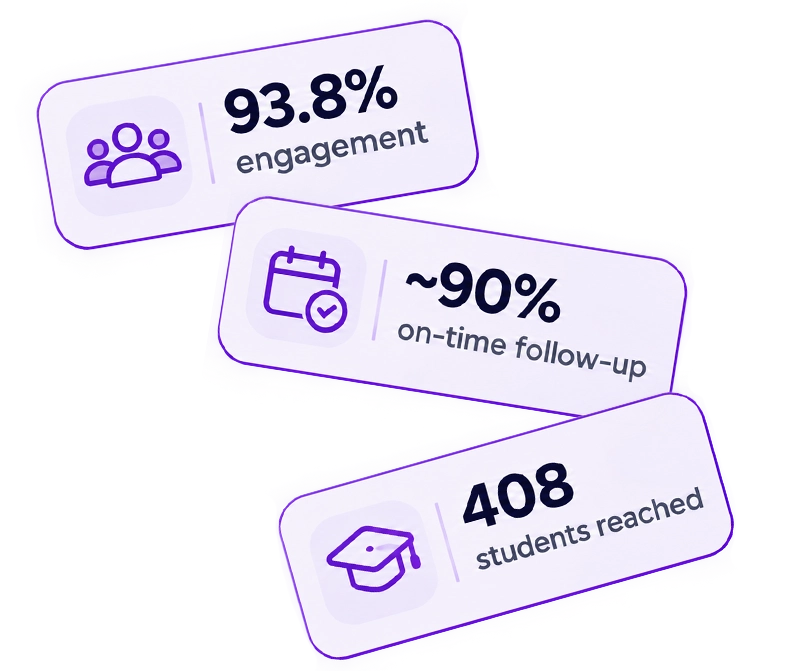
  • Achieved a 93.8% engagement rate among contacted students, bridging the gap between identifying an at-risk individual and starting a real conversation.
  • Completed ~90% of scheduled follow-ups on time using automated rules that prevent vulnerable students from slipping through the cracks.
  • Supported 408 at-risk students on one shared platform, establishing a single source of truth across 7 partner universities.
  • Automatically captured 9,000+ SMS messages and 1,000+ call minutes into permanent student records, creating complete audit trails.
  • Equipped staff with instant access to past notes and safety plans before every interaction, eliminating the need for students to repeat their stories.
  • Replaced tedious manual data entry and spreadsheet tracking with auto-logging, maximizing the time clinicians spend on direct care.

‍

Image shows how Hellosend helped COMPAS in achieving more student engagements.

Looking to Enhance Your Messaging Experience?

You’re just a step away from unified SMS, MMS, and WhatsApp integration with HelloSend.