Quick Summary
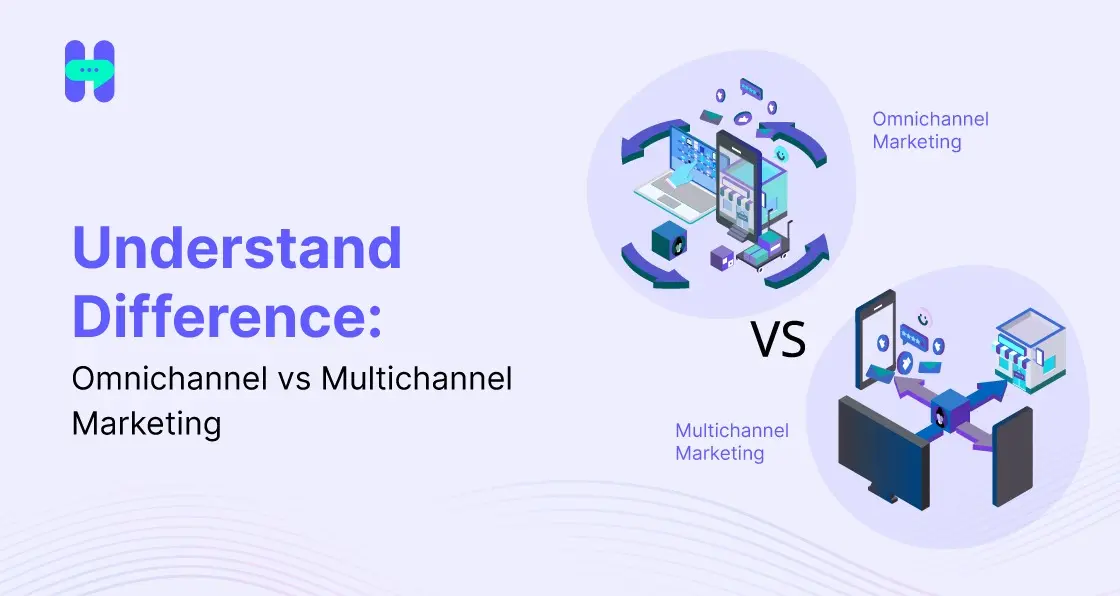
This blog explains the differences between omnichannel vs. multichannel marketing and how each one affects customer experience and engagement. By the end, you’ll know which strategy is best for your business and how to use it.
Providing a seamless customer experience across multiple touchpoints has become crucial for brands. According to a study, 76% of consumers expect companies to understand their needs and expectations. This has made the integration of marketing channels a critical factor in business success.
But how do you ensure a seamless experience for your customers across all touchpoints? The answer lies in understanding the difference between omnichannel and multichannel marketing.
Although both approaches use multiple channels to engage customers, they differ significantly in how they shape the customer experience. Understanding these differences is key to implementing a successful marketing strategy that builds customer loyalty and drives growth.
Let’s dive in!
What is Omnichannel Marketing?
Omnichannel marketing is a fully integrated, seamless experience that enables customers to interact with a brand across multiple channels. The core of omnichannel marketing is ensuring that the customer experience remains consistent, personalized, and uninterrupted across all channels.
Key Characteristics:
- Integrated, Unified Customer Experience: Channels are interconnected, providing a cohesive brand experience.
- Personalization and Consistency Across All Touchpoints: Every interaction feels tailored and consistent across different platforms, whether through a mobile app, website, or in-store visit.
Examples of Omnichannel Strategies:
- Example: A customer might browse products on a retail store’s website, receive personalized email recommendations, and then seamlessly pick up their order in-store. Each touchpoint communicates with the other, ensuring a unified experience.
What is Multichannel Marketing?
Multichannel marketing involves using multiple, separate channels to engage customers (email, social media, physical stores, etc.). Each channel operates independently, with no inherent integration or seamless experience across platforms.
Key Characteristics:
- Separate Channels, Working Independently: Each channel operates independently, often without coordination with other platforms.
- Focus on Maximizing Reach: The primary goal of multichannel marketing is to reach customers through as many touchpoints as possible.
Examples of Multichannel Marketing:
- Example: A retailer uses email marketing, social media posts, and in-store promotions. However, these channels don’t integrate or share customer information, and the experience may vary across them.
How Does Omnichannel Marketing Work?
- Seamless Customer Journey: Omnichannel marketing ensures a smooth transition for customers across touchpoints, online and offline. If a customer interacts with a brand on social media, then visits the website, and later calls customer service, the experience should feel interconnected, making the customer feel valued and understood.
- Data-Driven Approach: Omnichannel strategies rely on centralizing customer data to track their interactions across multiple platforms. This data enables personalized messaging and ensures that every touchpoint delivers the right message to the right person.
- Unified Technology: To make omnichannel marketing work, businesses rely on advanced tools like CRM systems, automation platforms, and integrated analytics tools. These tools consolidate data and automate personalized campaigns across multiple channels.
- Personalization Across Channels: Omnichannel marketing platforms offer a unique opportunity to tailor content, messaging, and promotions to individual customers' preferences, based on their behavior and interactions with the brand.
5 Key Differences Between Omnichannel And Multichannel Marketing
Best 3 Omnichannel Marketing Tools
The right tools are essential for implementing an omnichannel marketing strategy. Let’s explore the top 3 omnichannel tools:-
1. HelloSend
Overview
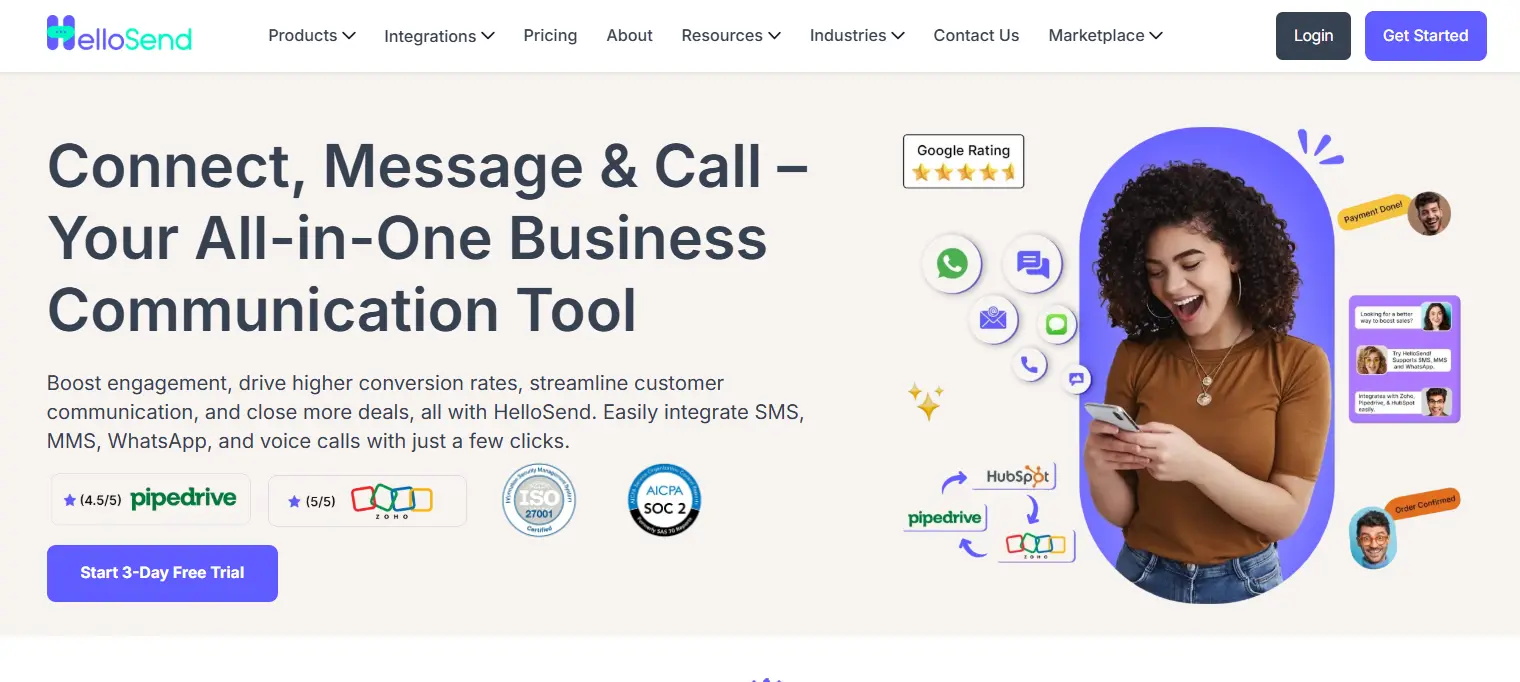
HelloSend is a must-have omnichannel marketing tool that enables businesses to engage customers seamlessly across multiple touchpoints, including:-
This tool is built to deliver a unified, personalized customer experience. HelloSend makes it easy for businesses to execute complex marketing strategies without multiple platforms. It’s the perfect tool for brands looking to deliver consistent, personalized messaging across omnichannel.
Why HelloSend?
- Seamless Integration Across Multiple Channels: HelloSend enables businesses to reach customers across SMS, WhatsApp, and voice call support while ensuring all messaging is integrated and cohesive. This eliminates the need to juggle multiple systems for different channels.
- Personalization and Targeted Messaging: With HelloSend, businesses can tailor content based on customer behavior and preferences. This level of personalization enhances the relevance of marketing messages, helping to increase engagement rates and improve overall customer satisfaction.
- Advanced Analytics to Track and Optimize Marketing Campaigns: HelloSend includes powerful analytics tools that track campaign performance in real time. Businesses can measure customer engagement, identify trends, and optimize marketing efforts to drive better results.
Top Key Features
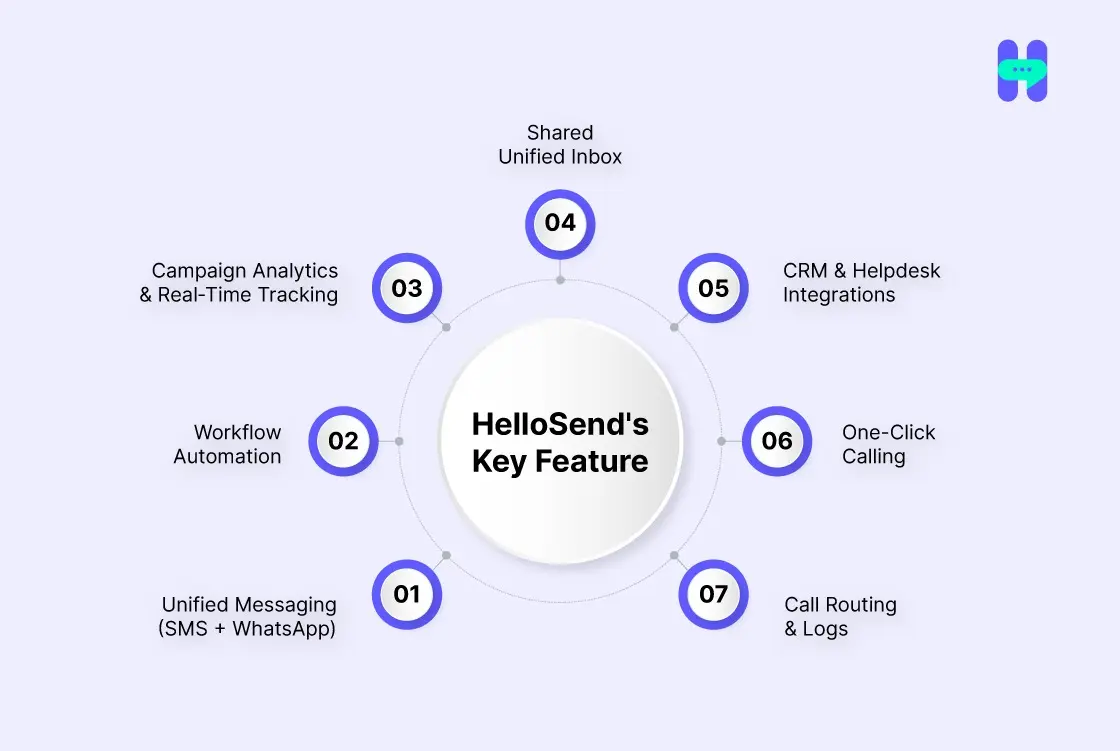
- Unified Messaging (SMS + WhatsApp): Send and receive SMS and WhatsApp messages from one dashboard, keeping all customer conversations in one place and eliminating tool fragmentation.
- Workflow Automation: Automate campaigns like welcome sequences, abandoned cart follow‑ups, onboarding flows, and more, all triggered by customer behavior or CRM updates.
- Campaign Analytics & Real‑Time Tracking: Monitor delivery status, engagement, and performance metrics to optimize campaigns and improve conversion rates quickly.
- Shared Unified Inbox: Manage multi‑channel conversations (SMS, WhatsApp, voice) in a central inbox that’s accessible to your sales, support, and marketing teams.
- CRM & Helpdesk Integrations: Seamlessly integrates with HubSpot, Zoho CRM, Pipedrive, Zendesk, and other tools, enabling messaging natively from where your team already works. Explore HelloSend’s Integrations.
- One-Click Calling: Call directly from your desk software or CRM with a single tap, simplifying communication and saving your team time.
- Call Routing & Logs: Automatically route calls and maintain organized records to ensure efficient call management and easy access to communication history.
Why It's Perfect?
- HelloSend is the perfect tool for this blog because it exemplifies how businesses can implement an omnichannel marketing strategy effectively. Unlike multichannel marketing, which spreads efforts across multiple channels, HelloSend takes a unified approach.
- It helps businesses create a cohesive experience across email, SMS, push notifications, and more, and enables personalized messaging based on customer insights.
- Its advanced analytics and automation capabilities make it an indispensable tool for businesses seeking to enhance customer engagement and drive better results.

2. ActiveCampaign
.webp)
Overview
ActiveCampaign is a powerful platform that combines marketing automation and customer relationship management (CRM) tools into one solution. It enables businesses to nurture customer relationships through targeted, automated messaging and workflows across multiple channels.
Features
- Seamless Integration of SMS and Social Media Messaging: ActiveCampaign enables businesses to communicate with customers across email, SMS, and social media platforms from a single dashboard.
- Customer Data Management with Segmentation: ActiveCampaign’s robust CRM helps businesses manage customer data efficiently. By segmenting customers based on demographics, behaviors, and engagement, brands can send personalized messages to the right people at the right time.
3. Omnisend
Overview
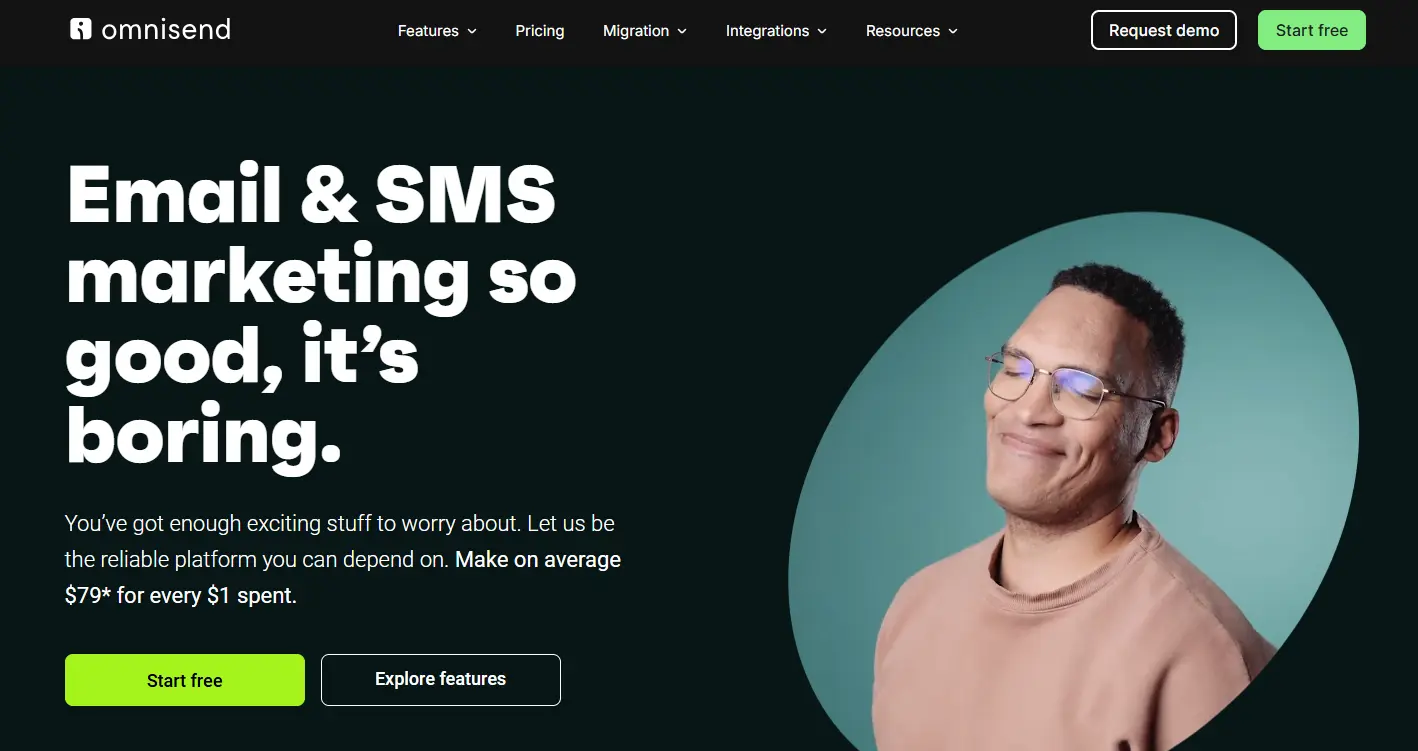
Omnisend is a marketing automation tool specifically designed for eCommerce businesses. It integrates multiple channels, email, SMS, push notifications, and webhooks into a single platform, enabling brands to build a comprehensive omnichannel marketing strategy.
Features
- SMS, Push Notifications, and Webhooks in One Platform: Omnisend’s marketing channel integration enables businesses to engage customers across multiple channels from a single, centralized platform. This enables seamless messaging across all channels.
- Analytics and Workflow Automations: Omnisend’s real-time analytics provide valuable insights into campaign performance, while workflow automations help businesses run targeted campaigns with minimal effort.
Comparison Table
Here’s a comparison of three top tools to help businesses deliver personalized, integrated marketing campaigns.
Best Practices for Implementing Omnichannel Marketing
1. Unified Customer Data
Centralize all customer data across touchpoints for personalized experiences. A single customer view enables better segmentation, targeting, and consistent messaging. This ensures that every interaction, whether online or offline, is informed and tailored to individual preferences.
2. Consistent Messaging Across All Touchpoints
Maintain a unified brand voice across channels to build trust and recognition. Consistent messaging ensures customers receive the same information, promotions, and experience across platforms and devices, creating a reliable, coherent journey.
3. Personalization
Leverage customer data to tailor messaging and content. Personalized experiences, such as product recommendations and targeted offers, increase engagement and customer satisfaction, driving loyalty and conversions. Personalization makes each interaction more relevant, enhancing the relationship between the brand and the customer.
4. Invest in the Right Technology
Use tools like CRM systems, marketing automation platforms, and analytics to streamline omnichannel efforts. These tools enable seamless cross-channel integration, providing real-time data and insights to optimize campaigns and deliver more personalized, targeted experiences.
5. Optimize the Customer Journey
Create a seamless transition between touchpoints, allowing customers to move effortlessly from one channel to another. Ensuring a consistent, uninterrupted journey builds trust and enhances user satisfaction, whether customers are browsing online, shopping in-store, or contacting support.
Final Words!
In the battle of omnichannel vs multichannel marketing, the choice is clear for businesses focused on delivering superior customer experiences. While multichannel marketing offers a broad reach, omnichannel marketing provides a unified, personalized experience that drives loyalty and engagement.
By implementing the right strategy and leveraging tools like HelloSend, brands can ensure they meet customer expectations and build lasting relationships that drive higher conversions and sustained business growth.
.webp)
FAQs
1. What is omnichannel marketing?
Omnichannel marketing is an integrated strategy that provides a seamless customer experience across all platforms, ensuring consistency and personalization at every touchpoint.
2. How does multichannel marketing differ from omnichannel marketing?
Multichannel marketing uses multiple channels to reach customers, while omnichannel marketing integrates those channels for a unified, personalized experience across all platforms. Also, try HelloSend for smooth omnichannel marketing.
3. What is the difference between omnichannel vs multichannel marketing?
The key difference is integration. Omnichannel marketing offers a seamless, interconnected experience across all channels, whereas multichannel marketing uses independent, non-integrated channels to engage customers.
4. What is a cross-channel marketing strategy?
A cross-channel marketing strategy involves coordinating multiple marketing channels to create consistent messaging and enhance the overall customer experience, but unlike omnichannel, it may not fully integrate customer interactions across touchpoints.
5. Why is marketing channel integration important?
Marketing channel integration is crucial for delivering a consistent customer experience across all touchpoints, improving engagement, and ensuring unified messaging, leading to higher customer satisfaction and higher conversion rates.