-elementor-io-optimized.webp)
Summarize this blog post with:
Quick Summary
This blog highlights the top 9 omnichannel messaging platforms in 2026, showcasing how businesses can boost ROI and sales by integrating communication channels such as WhatsApp and SMS to deliver seamless customer engagement.
Customer attention in 2026 is more fragmented than ever. Your buyers switch between apps, devices, and channels in seconds. If your messaging doesn’t follow them seamlessly, you lose the sale.
That’s why unified messaging, especially SMS + WhatsApp, has become essential for customer engagement, retention, and revenue growth. Businesses using omnichannel messaging strategies see up to 30% higher customer lifetime value compared to single-channel brands.
In this blog, we evaluate 9 top omnichannel messaging platforms and break down their key strengths and ideal use cases. We’ll also share practical evaluation tips to help you choose the right tool for your business.
Let’s get started!
Why Omnichannel Messaging Matters in 2026?
Customer journeys are no longer linear. A user might discover you on Instagram, ask a question on WhatsApp, receive an order update via SMS, and expect support over email.
If those experiences aren’t connected, trust drops fast.
That’s where omnichannel in marketing wins. Unlike siloed tools, omnichannel platforms create one continuous conversation across all channels.
Why does it work better?
- Higher engagement: Customers respond when brands reach them on their preferred channel.
- Stronger loyalty: Consistent messaging builds trust.
- Better conversions: Timely, relevant messages outperform generic blasts.
What does omnichannel messaging mean in practice?
To understand the meaning, let’s go through the following bullet points:-
- One customer profile across channels
- Unified inbox and workflows
- Automated journeys across SMS and WhatsApp
- Persistent user identity and seamless conversation history
How To Evaluate An Omnichannel Messaging Platform?
Before you compare tools, focus on these essentials:
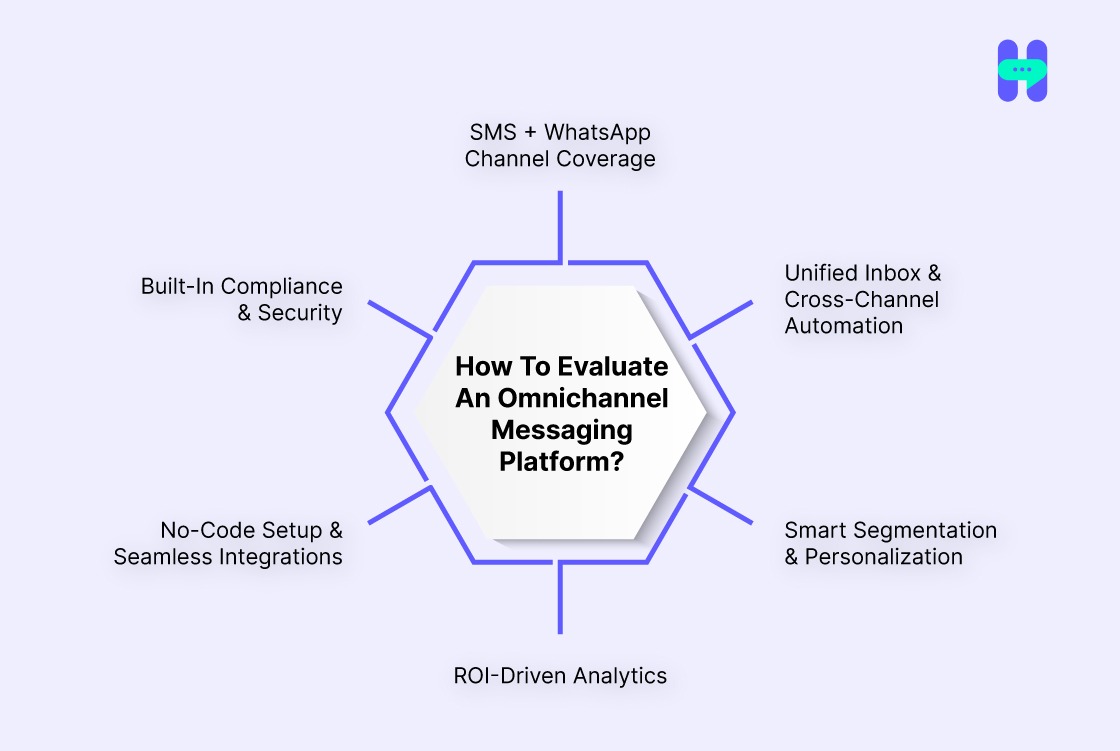
1. SMS + WhatsApp Channel Coverage
Choose a platform that includes both SMS and WhatsApp to reach customers on their preferred, high-engagement channels, crucial for modern communication, conversion, and campaign effectiveness.
2. Unified Inbox & Cross-Channel Automation
Your team should manage conversations from all channels in one place with automated workflows, reducing response times, boosting efficiency, and delivering a seamless customer experience.
3. Smart Segmentation & Personalization
The platform must support dynamic fields, behavioral triggers, and audience segmentation so messages are always timely, relevant, and tailored to the customer’s journey or purchase behavior.
4. ROI-Driven Analytics
Look for real-time dashboards that connect messaging activity directly to revenue, enabling more intelligent decisions, campaign optimization, and proof of value for every channel and workflow.
5. No-Code Setup & Seamless Integrations
Speed to launch is key. A great platform integrates easily with Shopify, HubSpot, or your CRM, allowing marketers to act quickly without relying on technical teams. And pick a tool that provides omnichannel customer support.
6. Built-In Compliance & Security
Choose a platform that ensures GDPR compliance, opt-in requirements, and WhatsApp template compliance, helping your team stay safe, maintain trust, and avoid message delivery disruptions or legal risk.
Top 9 Omnichannel Messaging Platforms to Boost Sales & ROI in 2026
1. Hellosend – Best SMS & WhatsApp Omnichannel Platform
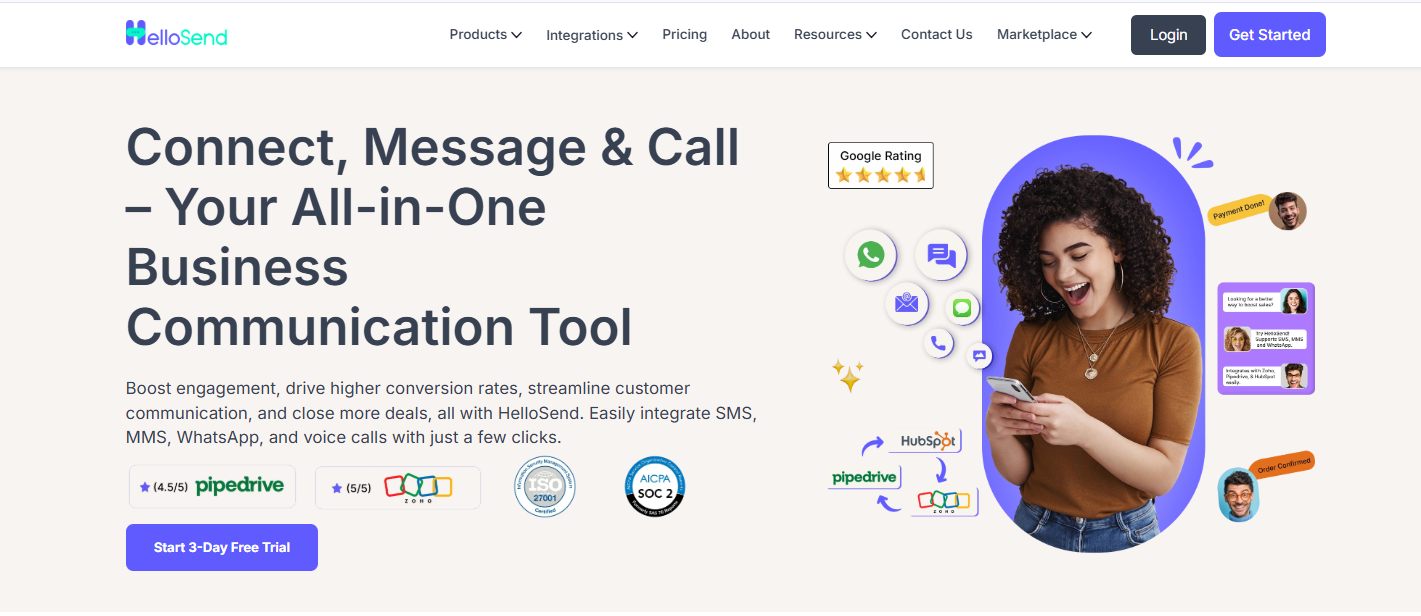
Introduction: Hellosend is a unified Omnichannel Messaging Platform designed for modern brands that want to connect with customers through SMS, WhatsApp, and voice, all without tool juggling.
It integrates directly into your CRM or helpdesk, so your team can launch campaigns, automate follow‑ups, and manage conversations without switching apps.
This tool helps businesses streamline multi‑channel communication while improving response times and conversion performance.
Top 5 Features of Hellosend
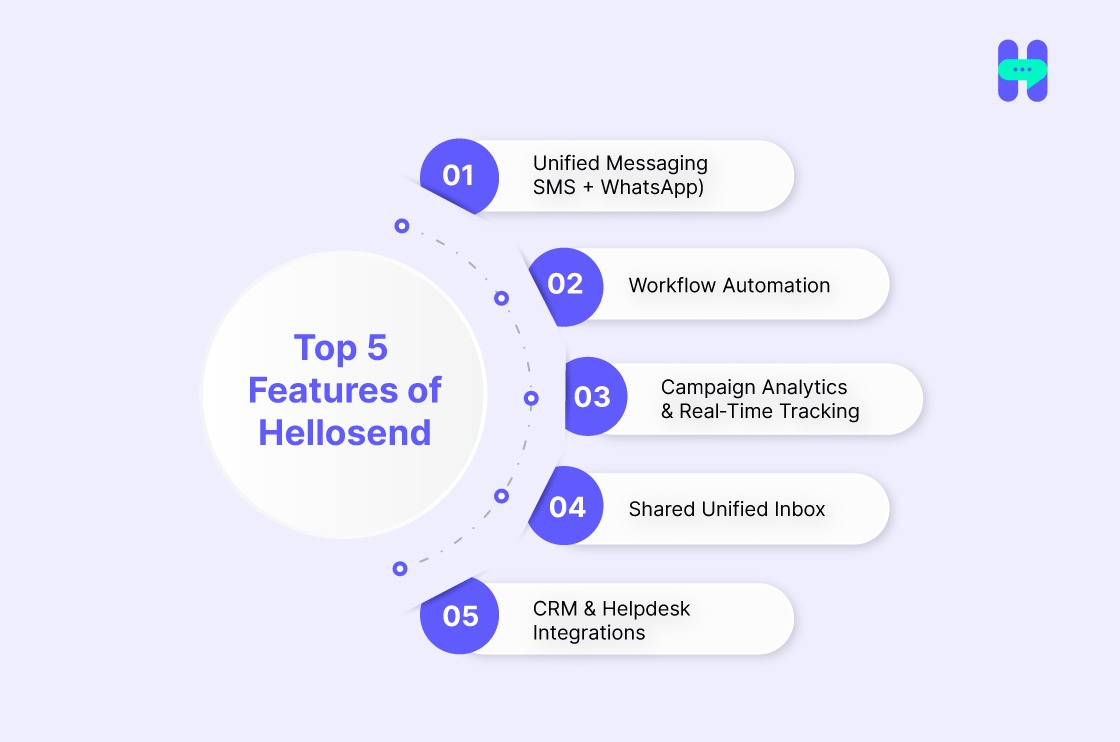
- Unified Messaging (SMS + WhatsApp): Send and receive SMS and WhatsApp messages from one dashboard, keeping all customer conversations in one place and eliminating tool fragmentation.
- Workflow Automation: Automate campaigns like welcome sequences, abandoned cart follow‑ups, onboarding flows, and more, all triggered by customer behavior or CRM updates.
- Campaign Analytics & Real‑Time Tracking: Monitor delivery status, engagement, and performance metrics to optimize campaigns and improve conversion rates quickly.
- Shared Unified Inbox: Manage multi‑channel conversations (SMS, WhatsApp, voice) in a central inbox that’s accessible to your sales, support, and marketing teams.
- CRM & Helpdesk Integrations: Seamlessly integrates with HubSpot, Zoho CRM, Pipedrive, Zendesk, and other tools, enabling messaging natively from where your team already works.
HelloSend Can Help You Simplify The Following Things
- Your SMS Marketing works
- WhatsApp Marketing
- Voice Call
Key Strengths
- Actual Omnichannel Experience
- No‑Code Automation
- Real‑Time ROI Insights
- Personalization at Scale
- Flexible Setup
Ideal Use Cases
- Ecommerce & DTC Brands: Automate order updates, cart recovery, delivery notifications, and personalized promo messages to increase revenue and customer satisfaction.
- Sales & Support Teams: Manage inbound and outbound conversations across SMS and WhatsApp from a central inbox, improving response time and customer experience.
- CRM‑Centric Teams: Teams using HubSpot, Zoho CRM, Pipedrive, or Zendesk get messaging directly inside their workflows, consolidating communication histories and boosting efficiency. To know more, check: HelloSend Integrations.
- High‑Volume Outreach: Run bulk messaging campaigns with automated follow‑ups without losing personalization, ideal for promotions, events, or lifecycle marketing.
- Small to Mid‑Size Teams: Companies without ample dev resources can launch and automate multi‑channel messaging quickly thanks to Hellosend’s intuitive interface.
Pricing
Hellosend offers flexible plans that scale with your business, from essential messaging to full multi‑channel communication. Check out - HelloSend Pricing plans.
2. Infobip
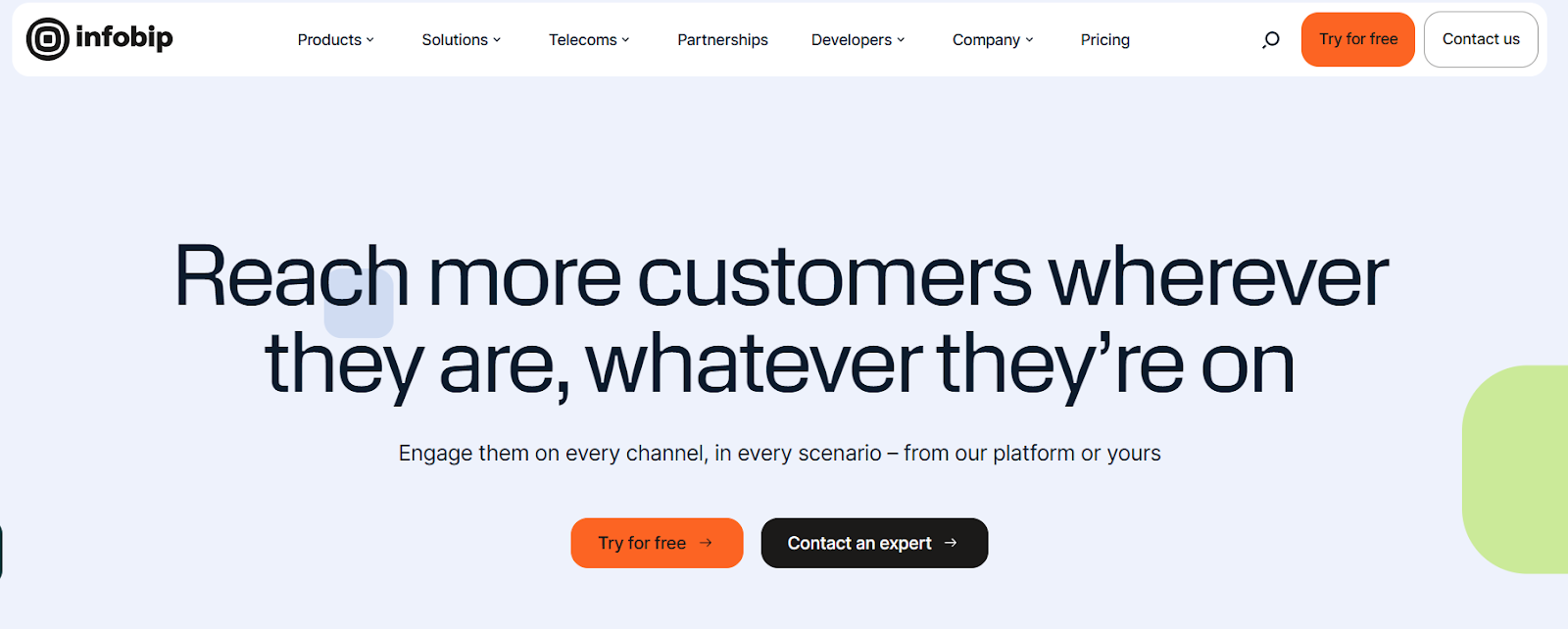
Introduction: Infobip offers a nice range of messaging APIs and global infrastructure. It’s best suited for large enterprises with complex systems and dedicated dev teams. It’s a fine omnichannel messaging solution.
Key Strengths:
- Broad channel coverage
- API-first messaging architecture
- Enterprise-ready scalability
Ideal Use Cases:
- Large corporations managing multi-region messaging
- Businesses with in-house developers
- Teams prioritizing infrastructure over ease of use
3. Respond.io
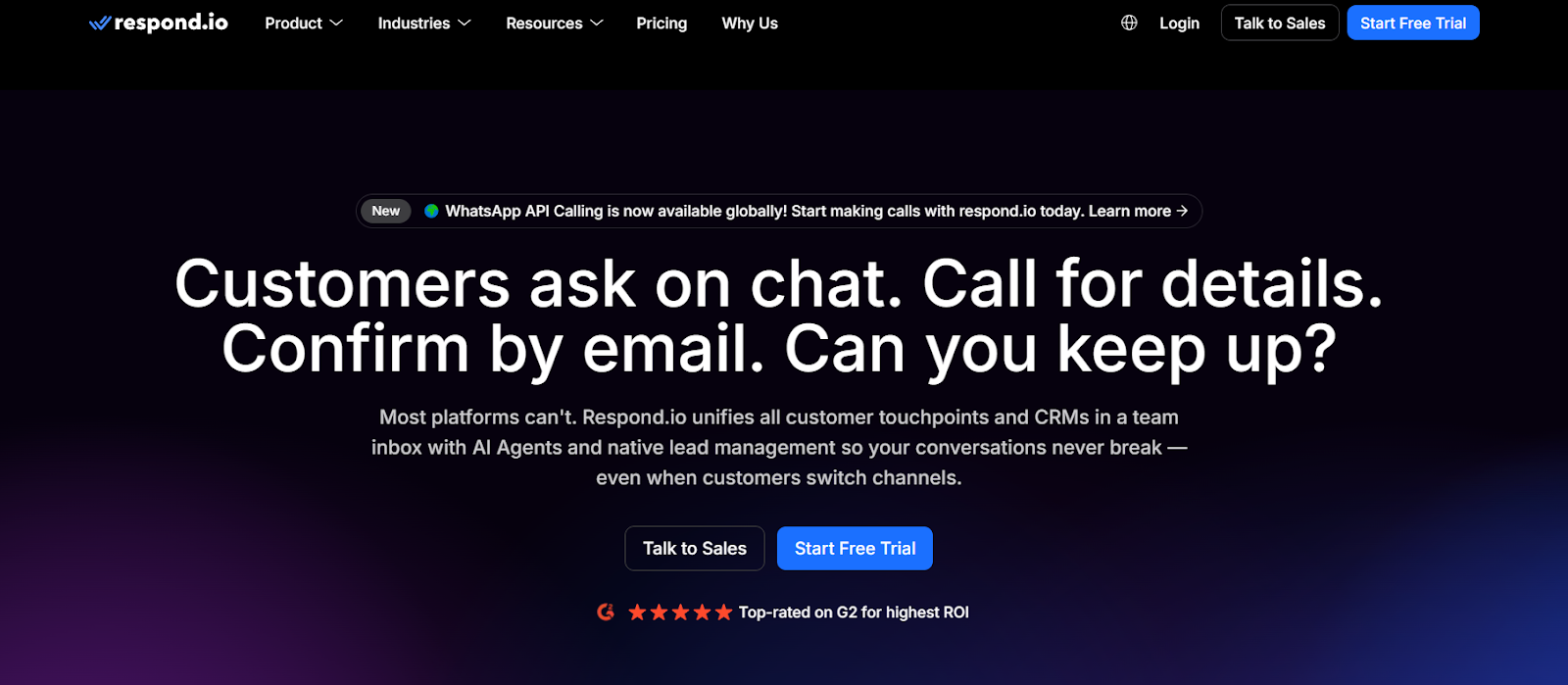
Introduction: Respond.io is a robust platform designed for teams that want to build complex messaging flows and have the resources to manage them.
Key Strengths:
- Workflow builder with flexible logic
- Multi-agent support and team routing
- Integrations with CRMs and ticketing tools
Ideal Use Cases:
- Enterprises with large support teams
- Businesses needing strict workflow control
- Teams focused more on operations than marketing automation
4. ManyChat
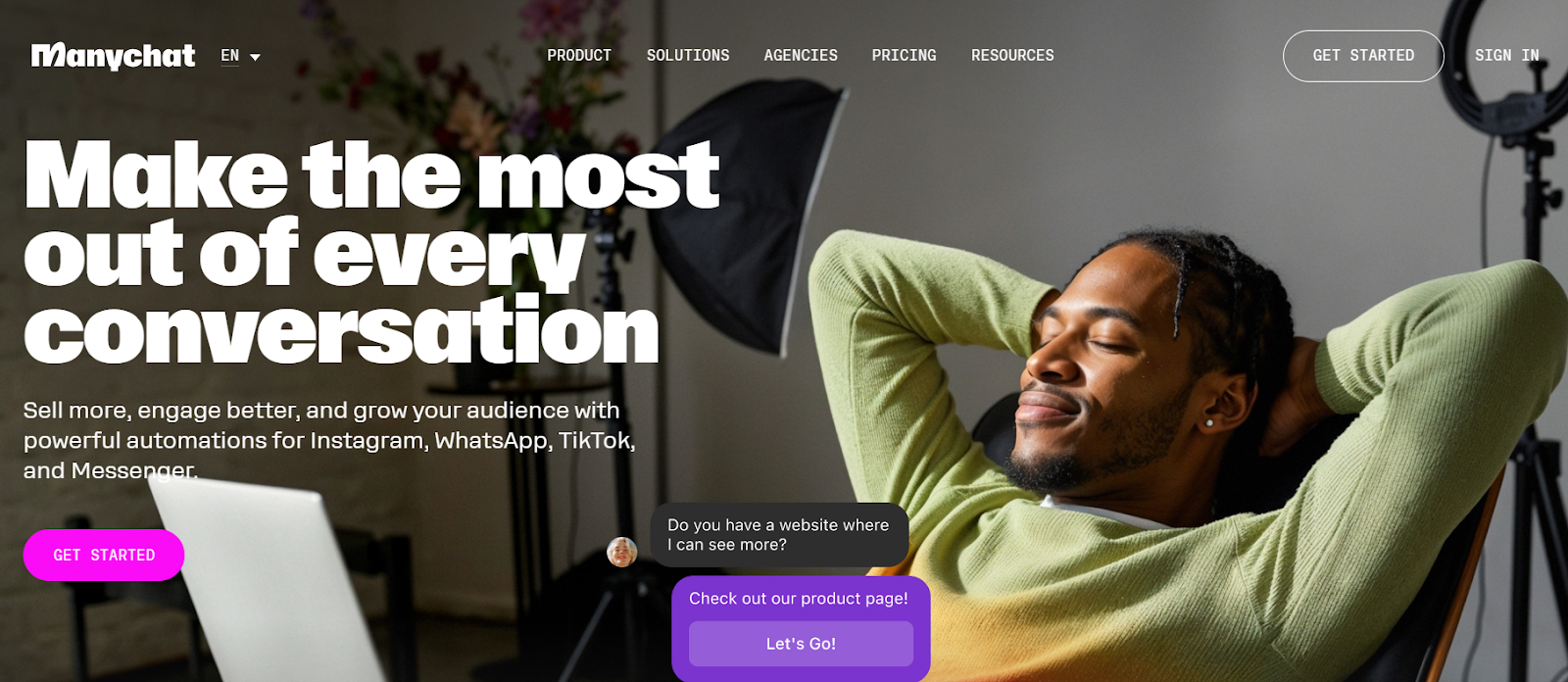
Introduction: ManyChat is a chatbot builder that supports simple engagement automation on platforms like WhatsApp and Facebook Messenger.
Key Strengths:
- Easy bot creation for basic lead capture
- User-friendly interface for non-technical marketers
- Integrates with basic CRM tools
Ideal Use Cases:
- Small businesses testing conversational marketing
- Influencers and content creators
- Teams with basic messaging needs
5. MessageBird
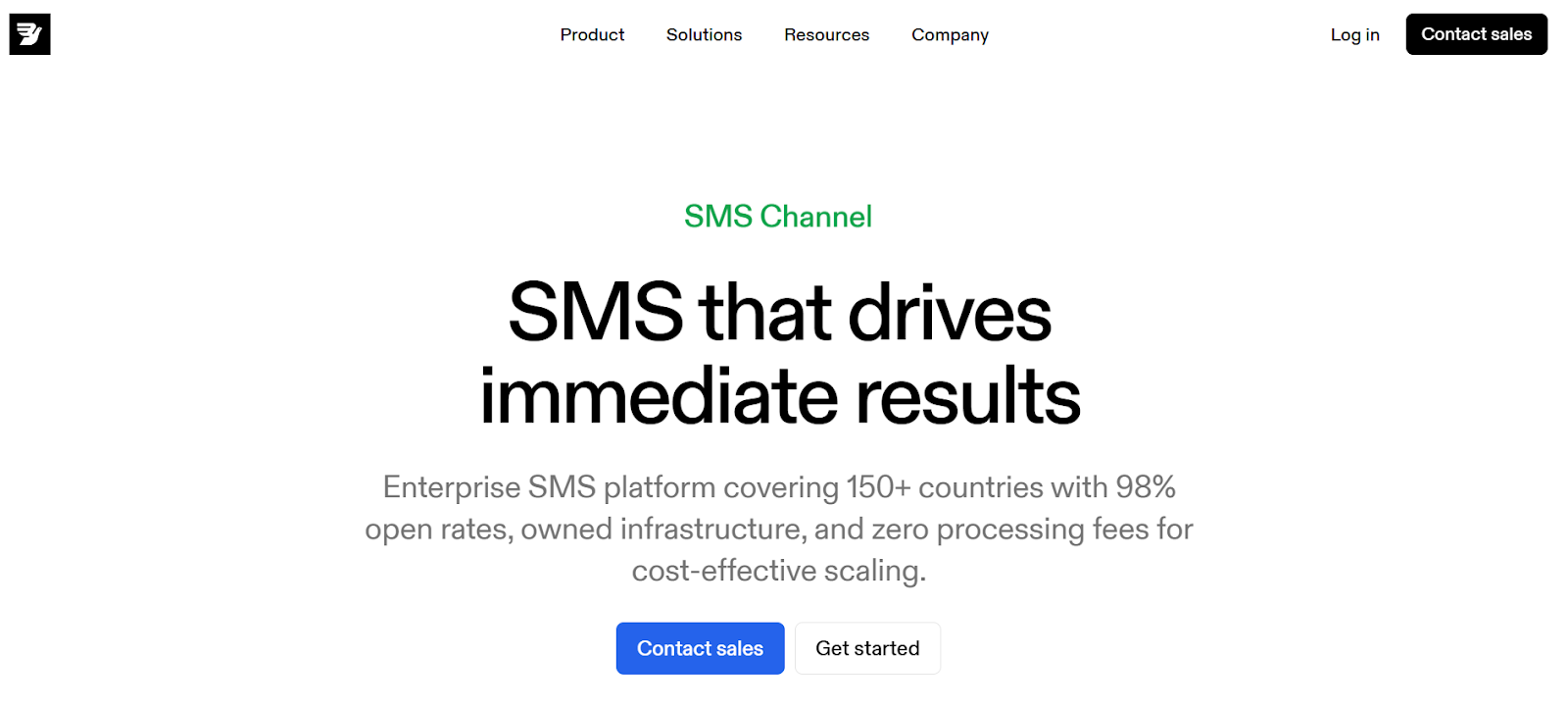
Introduction: MessageBird provides APIs and a visual campaign builder, but setup often requires technical expertise to fully leverage its capabilities.
Key Strengths:
- Programmable messaging tools
- Supports multiple messaging channels
- Enterprise integrations available
Ideal Use Cases:
- Developers creating custom flows
- Large-scale support teams
- Businesses investing heavily in tech infrastructure
6. Gupshup
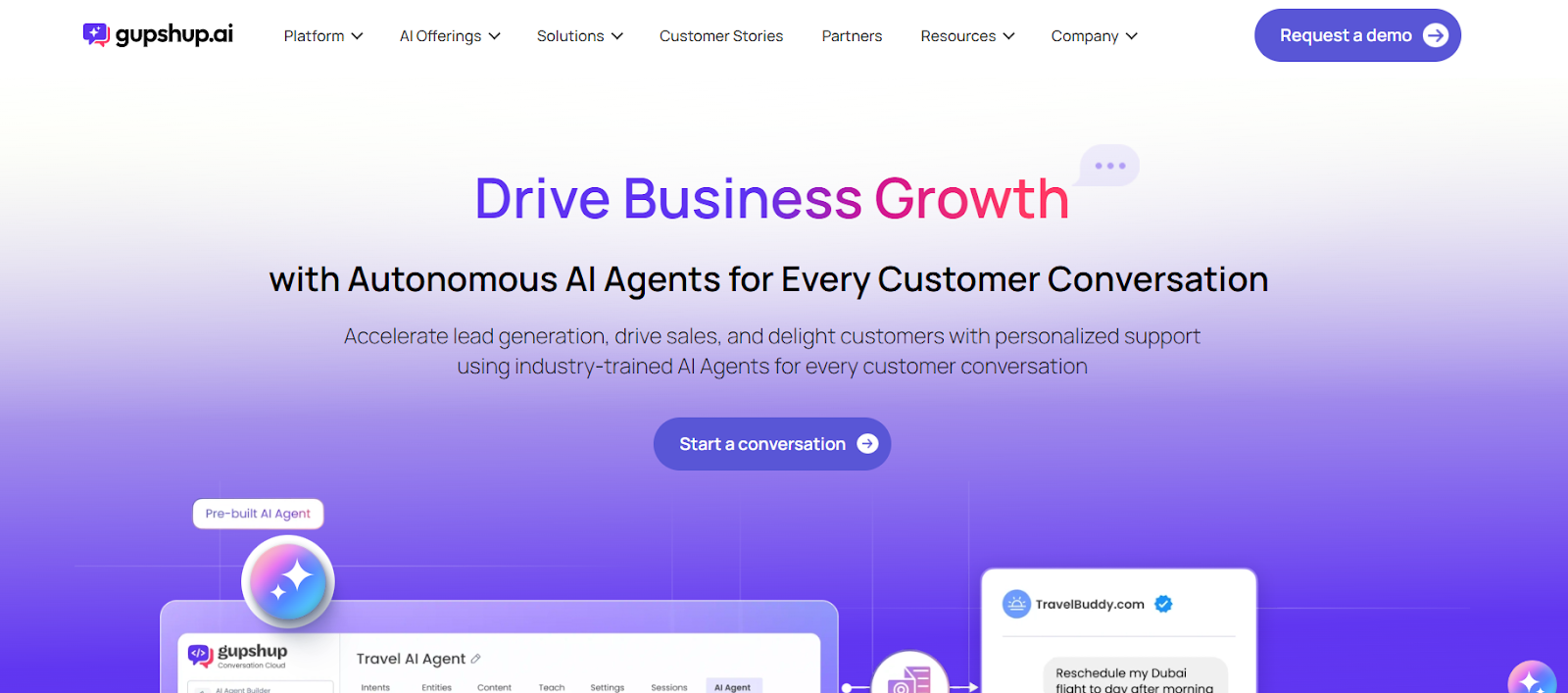
Introduction: Gupshup is known for its APIs and chatbot capabilities, but requires technical knowledge to build and maintain effective messaging campaigns. It is a fine omnichannel communication platform.
Key Strengths:
- Scalable APIs
- WhatsApp Business integration
- Bot development support
Ideal Use Cases:
- Tech teams building in-house messaging systems
- Enterprises focused on scale and automation
- Businesses with strong engineering support
7. Trengo
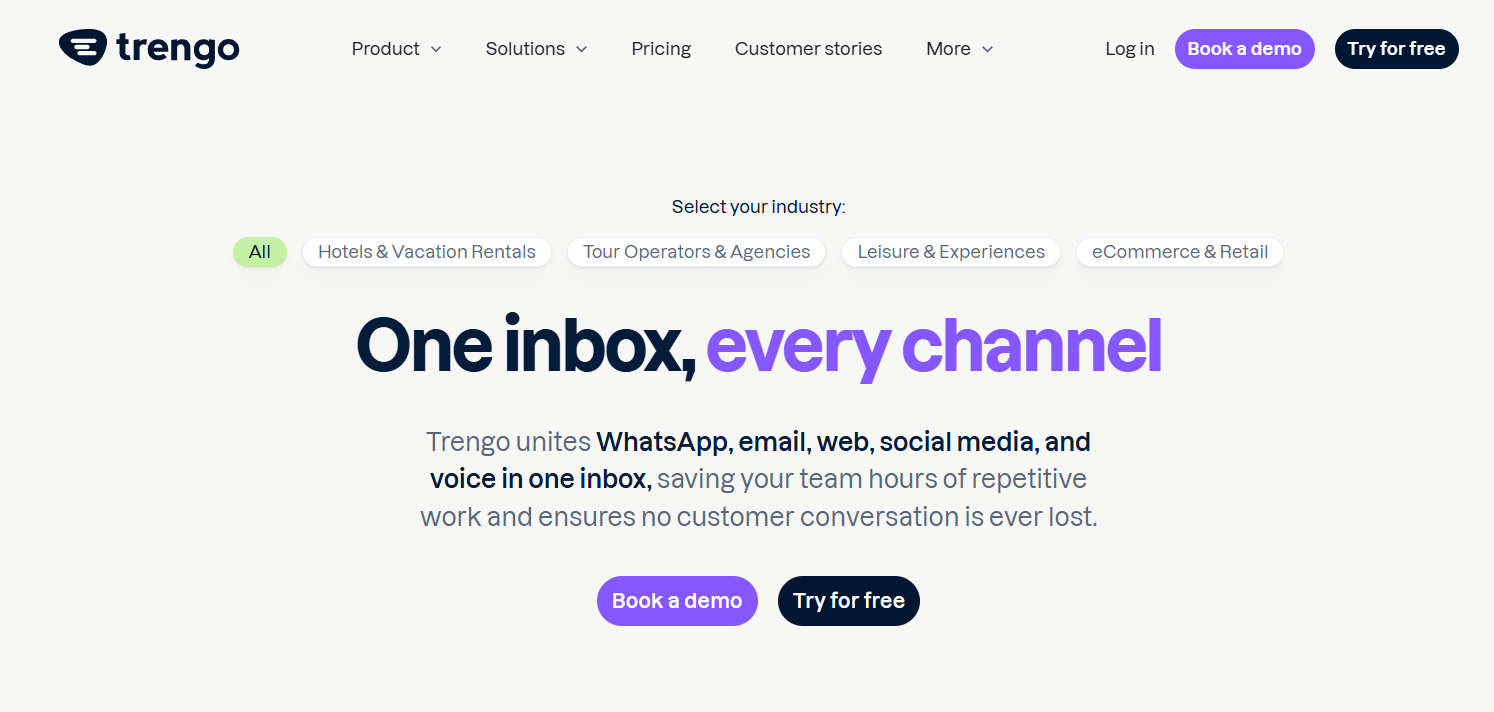
Introduction: Trengo simplifies customer support by combining messages from email, chat, and messaging apps into a single, more support-centric interface than marketing-driven ones.
Key Strengths:
- Centralized communication inbox
- Auto-routing and ticket tagging
- User-friendly setup for small teams
Ideal Use Cases:
- Support-heavy businesses
- Teams managing multiple inbound channels
- SMBs looking for simple consolidation
8. Freshchat (by Freshworks)
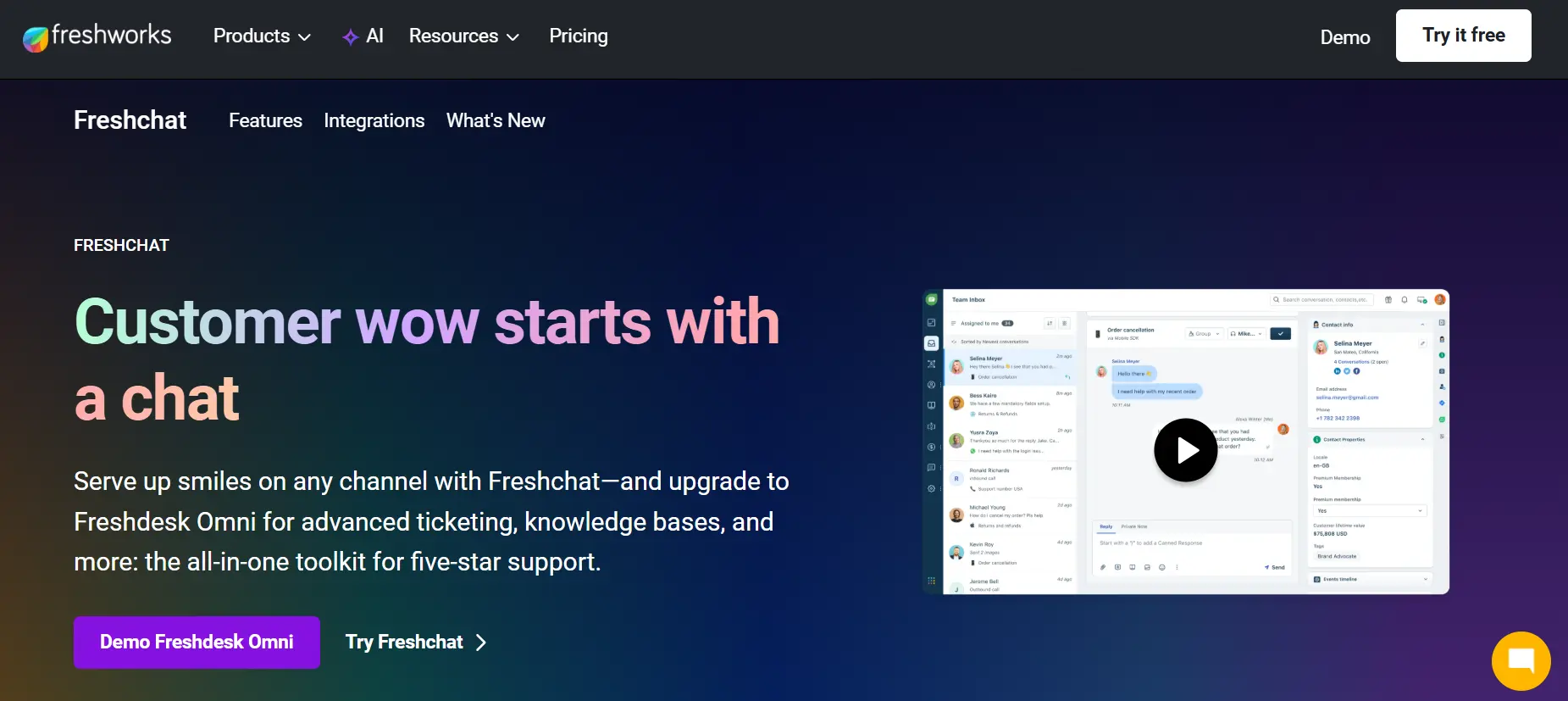
Freshchat is a omnichannel messaging platform by Freshworks that unifies WhatsApp, live chat, email, and social media into a single intelligent inbox, making it ideal for businesses that want to scale customer engagement without adding complexity.
Key Strengths:
- AI-powered chatbots for 24/7 automated support
- Deep CRM integration with Freshsales and third-party tools
- Proactive messaging to re-engage leads and reduce churn
Ideal Use Cases:
- SaaS and e-commerce businesses managing high chat volumes
- Teams looking to automate repetitive customer queries
- Businesses seeking a unified inbox across WhatsApp and social channels
9. Intercom
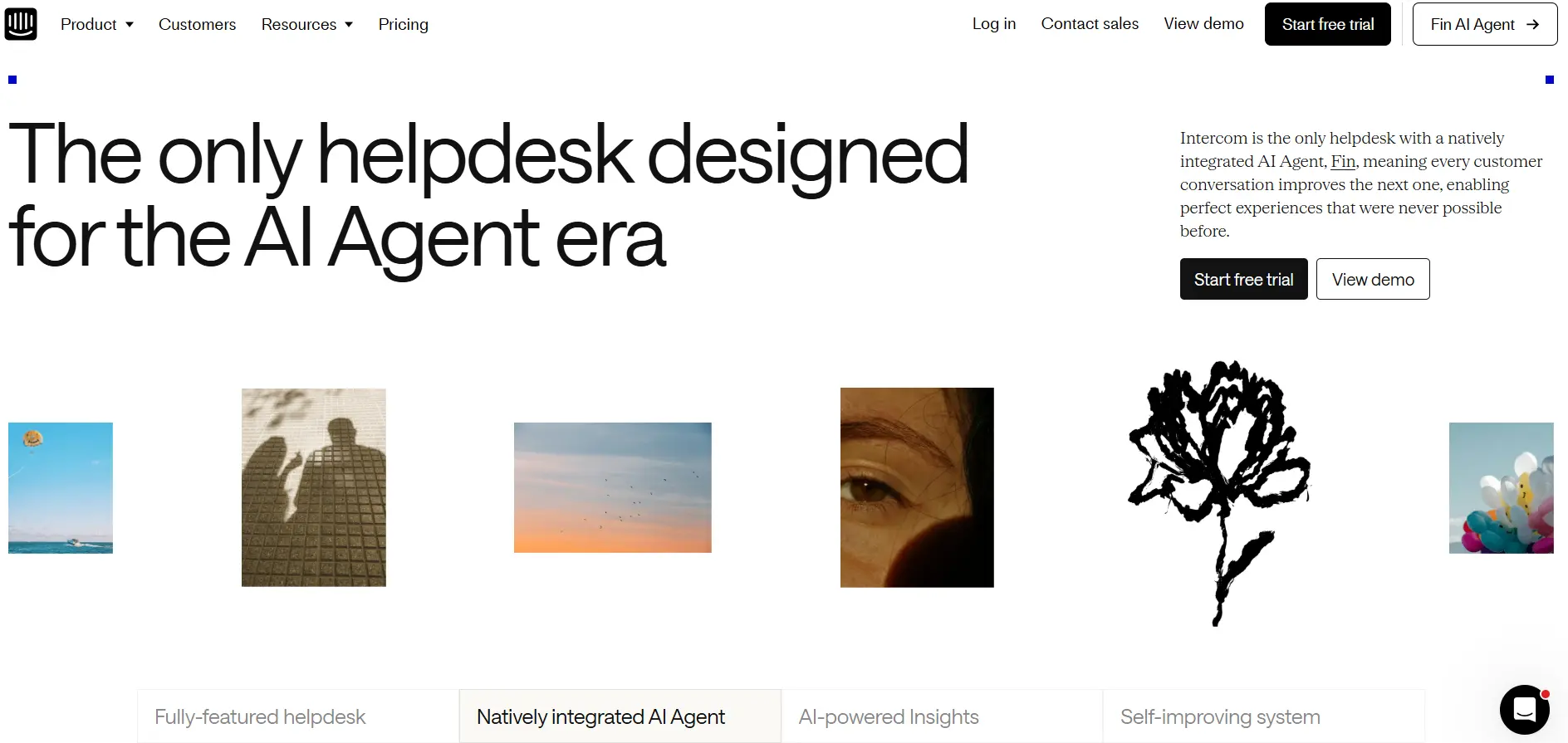
Intercom is a customer communications platform that unifies WhatsApp, live chat, email, and social messaging into a single workspace. Its AI-powered automation, proactive messaging features, and deep product integrations make it a fine choice for SaaS and e-commerce businesses.
Key Strengths:
- AI-powered automation for proactive and reactive customer messaging
- Deep product integrations with Salesforce, HubSpot, and Stripe
- Advanced customer segmentation for targeted campaign delivery
Ideal Use Cases:
- SaaS businesses focused on onboarding and customer retention
- Sales teams using chat to qualify and convert leads
- Businesses seeking a unified platform for support and marketing
How to Choose the Best Omnichannel Messaging Tool in 2026
Choosing the right tool isn’t just about features; it’s about finding a solution that drives growth without creating operational drag.
Here’s a quick decision-making checklist to help you evaluate options:
1. Must Support SMS and WhatsApp
SMS and WhatsApp are among the highest-performing customer communication channels today. Your platform must support both natively, so you can engage customers on the channels they actually respond to.
2. Unified Inbox and Cross‑Channel Automation
A real omnichannel platform combines every conversation across SMS, WhatsApp, and more into a single, centralized dashboard. This avoids fragmented workflows and wasted time. Look for tools that allow seamless automation from a single interface, not disjointed channel setups.
3. Granular Segmentation and Personalization
Relevance wins. The best platforms let you segment customers by their behavior, order history, location, and preferences. You should also be able to personalize every message dynamically, turning one campaign into thousands of tailored experiences.
4. Actionable Analytics with ROI Attribution
Don't settle for vanity metrics like opens and clicks. You need dashboards that connect campaigns to actual revenue and conversions. Make sure the platform offers per-channel attribution, so you can scale only what works.
5. Seamless Integrations and No‑Code Setup
The platform should work out-of-the-box with your existing tech stack from ecommerce to CRM. Just as important: marketers should be able to launch and optimize campaigns without depending on engineering support.
6. Built‑In Compliance and Security
From GDPR to WhatsApp template rules, compliance is critical for deliverability and trust. Choose a platform that helps you manage opt-ins, consent, and message approvals without slowing your team down.
Final Words!
Omnichannel messaging is the backbone of successful digital strategies in 2026. It’s no longer just a nice-to-have.
The right platform reduces tool clutter, boosts engagement, and drives revenue. Among all available solutions, Hellosend offers the ideal balance of simplicity, automation, and performance.
If you want to future-proof your messaging and turn conversations into conversions, Hellosend is your best bet. Connect with us today!

FAQs
1. What omnichannel messaging platform for customer engagement and sales (WhatsApp, chat, social) has the best user experience?
Platforms like HelloSend, Twilio, and Bird are widely recognized for delivering strong user experiences across WhatsApp, live chat, and social messaging channels. The best choice depends on your business size, integration needs, and budget, but key indicators include a unified inbox, intuitive interface, and seamless CRM connectivity.
2. How to choose a business messaging provider for omnichannel campaigns 2026?
Choosing the right provider in 2026 comes down to five key factors: channel coverage, CRM integration, automation support, GDPR compliance, and transparent pricing. Always test with a free trial and evaluate onboarding support and performance under high message volumes before committing. Try HelloSend.
3. What are omnichannel strategies that actually work?
Successful strategies include automated cart recovery via WhatsApp, personalized SMS offers, and post-purchase follow-ups across multiple touchpoints.
4. How does an omnichannel platform help in marketing?
It centralizes communication, automates workflows, and tracks ROI across all channels, making your marketing more efficient and profitable.
5. What are the omnichannel marketing tools most companies use?
Top tools include Hellosend, SleekFlow, Respond.io, ManyChat, HubSpot Conversations, Gupshup, and Trengo.