

Summarize this blog post with:
Quick Summary
In 2026, marketing messaging evolves as conversational channels replace traditional ads. Real-time, personalized interactions through messaging tools to enhance customer engagement, making marketing more dynamic and effective.
Your customers don’t check email inboxes; they check messages. That’s why in 2026, successful marketing messaging strategies are built around conversational channels that deliver real interaction with real people.
SMS marketing now achieves open rates approaching 98% and drives response rates far above email, turning conversations into conversions.
And with platforms like WhatsApp surpassing 3.14 billion users, engaging customers where they already communicate has never been more powerful.
This blog will show you how conversational marketing is replacing outdated campaigns and how your business can lead the shift. Let’s begin!
What Are Conversational Channels?
In the simplest terms, conversational marketing is a marketing strategy that focuses on real-time, one-to-one interactions between businesses and their customers. This happens through conversational channels such as messaging apps (like WhatsApp, SMS, and social media DMs) and voice assistants.
Unlike traditional marketing channels such as email blasts, TV ads, and print media, these channels allow businesses to have direct, personal, and continuous conversations with their audience.
- What sets these channels apart from traditional methods is that they enable two-way, interactive communication.
- This enables businesses to instantly respond to customer queries, offer personalized recommendations, and guide consumers through the sales funnel, all in real time.
Why Conversational Channels Are Replacing Traditional Campaigns in 2026?
In 2026, businesses are increasingly moving away from traditional marketing messaging methods.
Here's why:
1. Consumer Expectations Have Changed
Consumers today expect instant gratification. They want immediate responses, personalized service, and a more engaging experience with the brands they interact with. Traditional marketing messaging, like a generic TV ad or email blast, cannot deliver this level of immediacy or personalization.
According to recent studies, your consumers prefer receiving messages from businesses via messaging apps rather than via other channels, such as email or social media posts. This shift is forcing brands to rethink their marketing approach. Conversational marketing allows businesses to meet their customers where they are and engage in real-time, personal conversations. This will help customer engagement easily.
2. The Limitations of Traditional Campaigns
Traditional marketing campaigns often rely on one-way communication. A brand sends a message, but there’s little to no immediate customer feedback. This can lead to misalignment with the customer's needs, missed opportunities for personalization, and a general lack of engagement.
Marketing messaging via email and TV ads is also impersonal and tends to be broad, reachinglarge audiences with the same message. The problem? Not all customers have the same interests, and not all of them are ready to buy at the same time. The lack of personalization and instant feedback leads to lower engagement and poor conversion rates.
3. The Rise of Automation in Marketing Communication
One of the main drivers of the shift to conversational marketing is the ability to automate marketing communications. Traditional marketing methods often require manual efforts to segment customers, send personalized emails, or even manage customer service requests. This results in slow response times and increased costs.
With the advent of AI-driven chatbots, businesses can now leverage automation in marketing communications to interact with customers instantly and at scale. These bots can qualify leads, answer common questions, and even assist customers in making purchasing decisions without a human agent intervening.
What Problems Are Businesses Facing with Traditional Marketing?
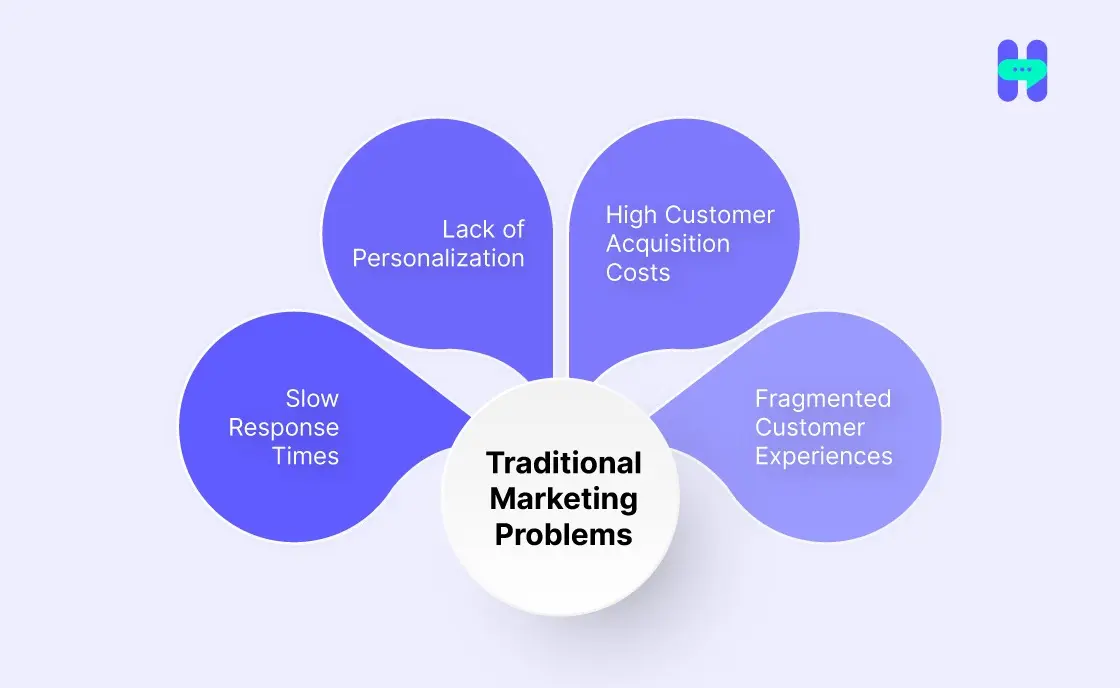
While traditional marketing campaigns are still used by many businesses, they come with their own set of challenges:
1. Slow Response Times: In customer messaging, your target customers expect instant responses. Traditional marketing methods, such as email campaigns or TV ads, can’t offer the immediacy that today’s consumers demand. If customers can’t get the answers they need when they need them, they’re likely to turn to a competitor who offers faster, more responsive service.
2. Lack of Personalization: Traditional marketing often lacks the ability to tailor messaging to individual customers. Generic messaging doesn’t resonate with customers the way personalized communication does. People want to feel heard, understood, and valued. Without personalization, brands risk losing their audience's attention.
3. High Customer Acquisition Costs: Traditional marketing campaigns are expensive, often requiring large investments in media buys and creative production. Yet, they often yield low conversion rates because they’re not reaching the right customers at the right time. The costs associated with these campaigns, paired with low ROI, make them an inefficient use of marketing budgets.
4. Fragmented Customer Experiences: With traditional campaigns, businesses often rely on multiple platforms for marketing, sales, and customer support. This results in disconnected customer experiences, where customers may interact with a brand through one channel but receive inconsistent messaging on another. Conversational marketing solves this by offering a unified communication experience across channels.
What Would Businesses Care About in 2026?
As businesses face these challenges, there are several key factors they will consider when considering the future of their marketing strategy:
1. Efficiency Through Automation
In 2026, businesses are focused on efficiency. They want marketing solutions that save time and money while still delivering effective results. Automation in marketing communication, such as chatbots and AI-driven engagement, can help businesses scale their efforts without increasing resources.
2. Personalization at Scale
With the growing demand for personalized experiences, businesses need tools that enable personalized marketing conversations at scale. This means not just segmenting customers by demographics, but also tailoring messages to their behavior and preferences, making each interaction feel unique. This will improve customer relations.
3. Scalability and Growth
As businesses grow, they need scalable solutions to support larger volumes of customer interactions. Traditional marketing methods require increased resources as the business expands. In contrast, conversational marketing enables businesses to scale customer engagement without additional staff.
4. Real-Time Data and Insights
Businesses care about data, specifically, real-time insights. With conversational marketing, businesses can collect data from every interaction, which helps them understand customer behavior, improve messaging strategies, and make better decisions moving forward.
HelloSend: One Top Solution For Marketing Messaging
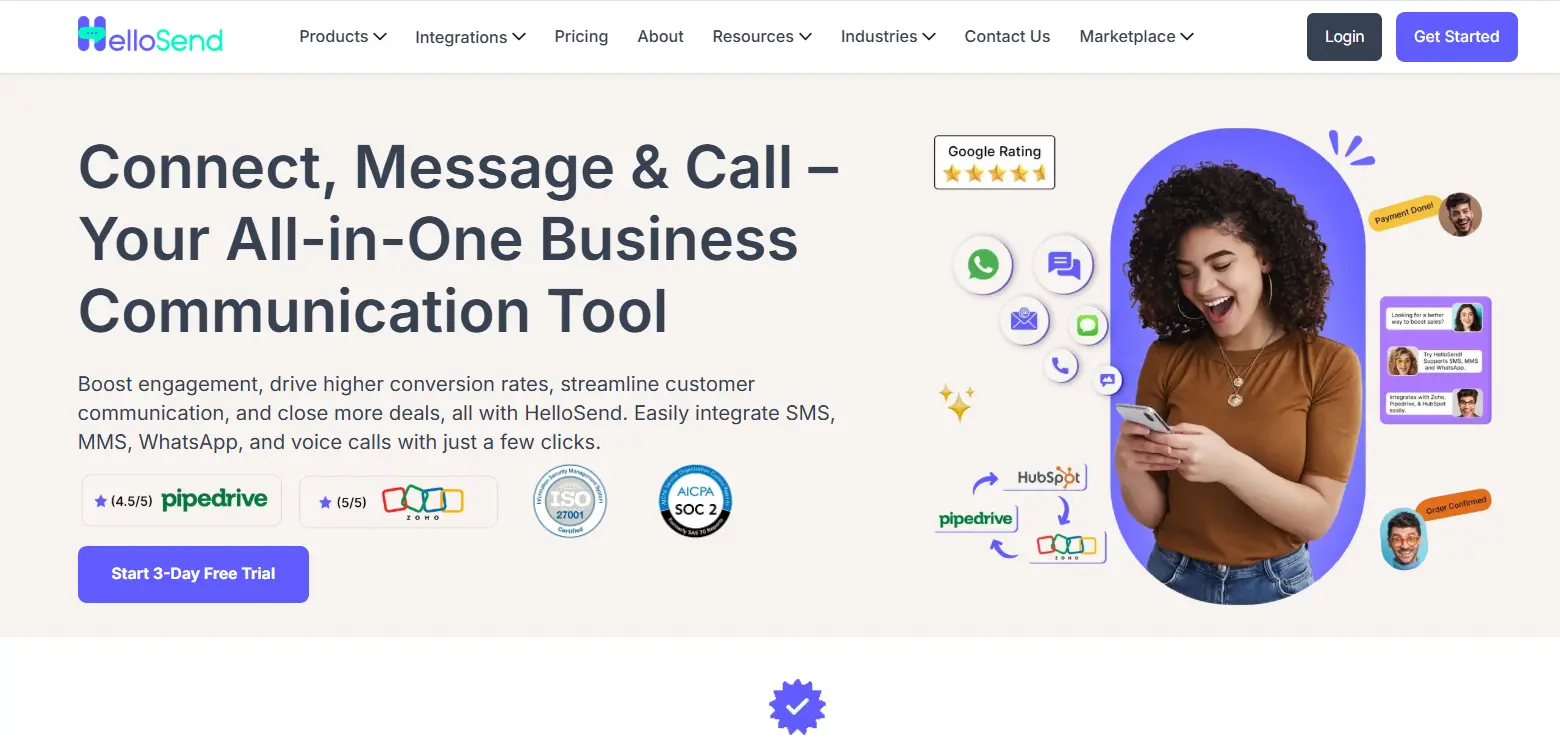
Hellosend is the ideal tool for businesses that want to shift to conversational marketing in 2026. It is an all-in-one business communication platform that empowers companies to connect with customers through SMS and WhatsApp.
Its powerful, integrated tools allow businesses to streamline communication, engage customers through their preferred channels, and enhance customer relationships while increasing conversion rates.
HelloSend provides a seamless experience across the Omnichannel Messaging Platform, enabling businesses to reach a wide audience while maintaining a personal touch.
Top 08 Features Of HelloSend
Plus Point Of HelloSend
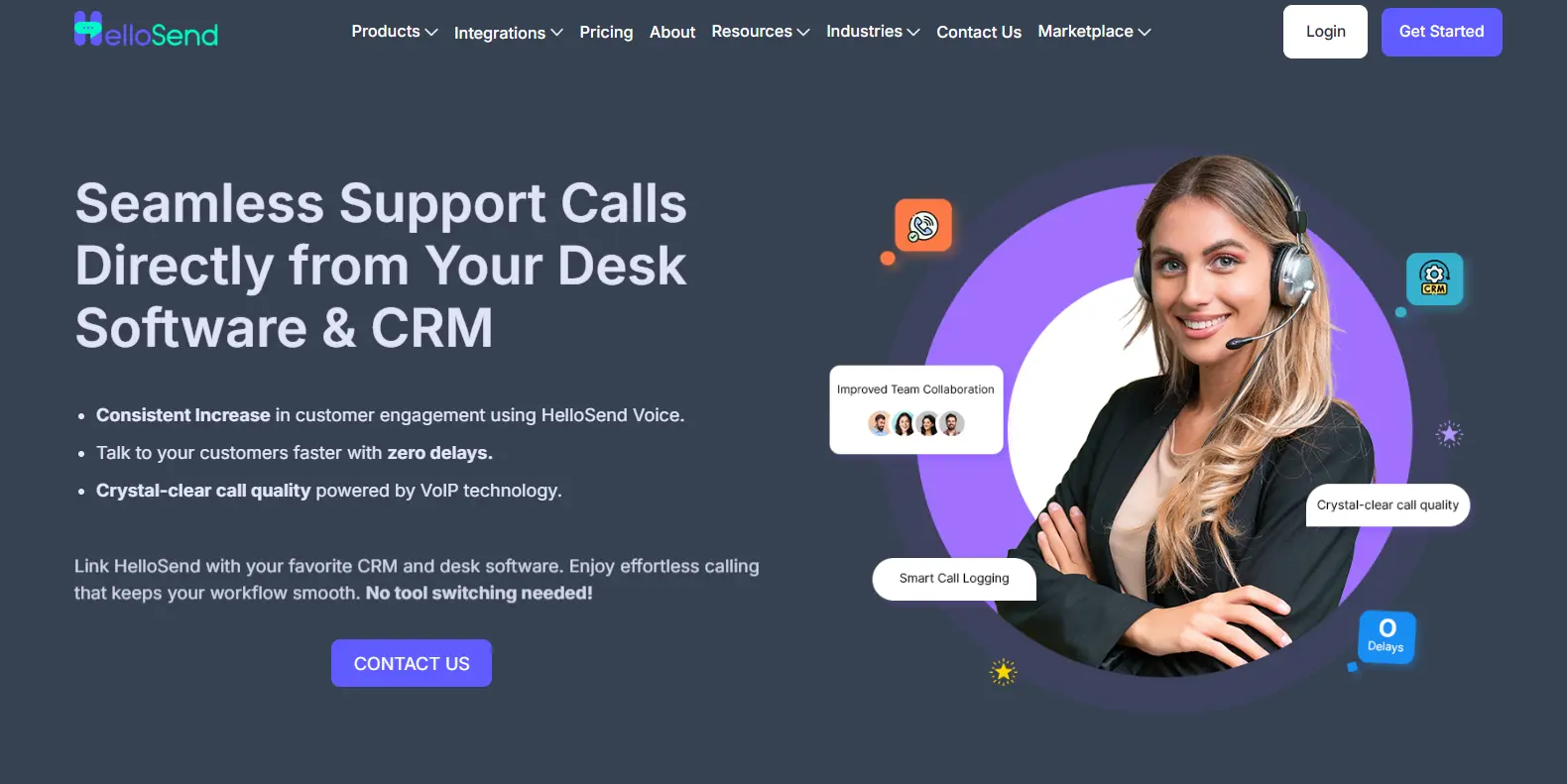
HelloSend also offers Voice Calls Support to enhance real-time customer communication. This feature integrates directly with your CRM, enabling you to place voice calls with a single click, streamline customer interactions, and record calls for quality assurance. It’s the perfect solution for businesses needing to engage customers through direct voice conversations while maintaining a personalized touch.
HelloSend Pricing
Visit HelloSend's pricing page to explore the flexible plans tailored to your business needs. Whether you're a small startup or an established enterprise, HelloSend offers competitive pricing to ensure you get the best value for your customer communication needs. Don’t miss out, check our pricing options today and find the plan that works best for you!

Marketing Messaging Best Practices: 05
Here are the Top 5 Marketing Messaging Best Practices with concise explanations for each:
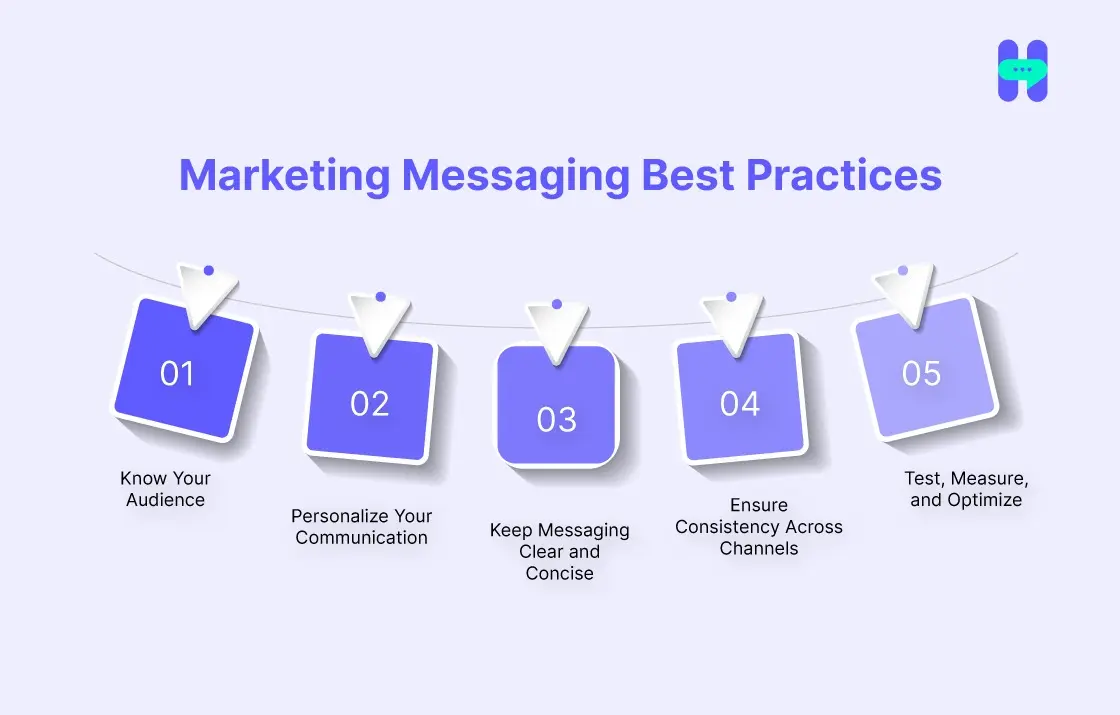
1. Know Your Audience
To create effective marketing messaging, understanding your audience is crucial. By knowing your customers' needs, pain points, and preferences, you can tailor your messaging to resonate deeply with them. This will boost customer retention.
Use data analytics, customer feedback, and market research to segment your audience and craft messages that speak directly to their interests. When you target the right people with the right message, the likelihood of engagement and conversions increases significantly.
2. Personalize Your Communication
Personalization is key to capturing attention and building strong customer relationships. Using customer data such as first names, purchase history, and browsing behavior lets you send messages that feel more human and less transactional.
Personalized marketing can be achieved through AI-driven tools or conversational marketing strategies that let you interact with customers in real time. Tailored content increases engagement and trust, leading to higher loyalty and conversions.
3. Keep Messaging Clear and Concise
In the age of information overload, your marketing messages need to be direct and to the point. Clear messaging helps your audience quickly understand the value you offer, whether it’s a promotion, product feature, or service.
Avoid jargon or overly complex language. Simplicity and clarity are essential for ensuring your message resonates. A compelling call to action (CTA) at the end of the message gives the reader clear direction on what to do next.
4. Ensure Consistency Across Channels
Consistency in your marketing messaging builds brand trust and recognition. Whether it’s your website, social media, email campaigns, or advertisements, ensure the tone, voice, and visual elements of your messaging are uniform.
This consistency reinforces your brand identity and makes your communication more predictable and reliable for your customers. With omnichannel marketing, maintaining a cohesive message across all touchpoints creates a seamless customer experience.
5. Test, Measure, and Optimize
Continuously test different elements of your marketing messaging, such as subject lines, CTAs, and ad copy, to see what performs best. A/B testing provides valuable insights into what your audience responds to and helps refine your approach over time.
Measure engagement metrics like open rates, click-through rates, and conversion rates to gauge the success of each campaign. By optimizing based on real-time data, you can improve the effectiveness of future messaging and drive better results.
Final Words!
As we look ahead to 2026, it’s clear that the future of marketing messaging lies in conversational marketing. Traditional campaigns are being replaced by more dynamic, real-time interactions that engage customers on a personal level, creating a stronger connection and driving better results.
Hellosend offers businesses the tools they need to thrive in this new era of marketing. With workflow automation, omnichannel solutions, and real-time insights, Hellosend makes it easy for businesses to scale personalized interactions, reduce customer acquisition costs, and deliver better customer experiences.
Now is the time to embrace conversational marketing, and Hellosend is here to help you every step of the way.

FAQs Section
1. What is marketing messaging?
Marketing messaging is the communication used to convey brand values, products, or services to an audience, aiming to engage and drive action, like purchases or sign-ups. Effective messaging influences customer decisions and enhances brand perception.
2. Why is knowing your audience important?
Understanding your audience allows you to create relevant, personalized messages that increase engagement and conversion rates and build stronger customer relationships. Tailored messages make your audience feel understood, boosting loyalty and sales.
3. How can I personalize my marketing messages?
Personalize with customer data such as names, purchase history, and preferences, or segment your audience for targeted, tailored content using tools like HelloSend. This creates a deeper connection and drives higher engagement.
4. Why is consistency important in marketing messaging?
Consistency across all channels helps reinforce your brand identity, build trust, and ensure that your message is clear and recognizable to your audience. Inconsistent messaging can confuse customers and hurt brand credibility.
5. How do I know if my marketing messages are effective?
Track metrics like open rates, click-through rates, and conversions. Use A/B testing to see what works best and optimize based on real-time feedback. Regular analysis ensures continuous improvement in your messaging strategy.


.webp)


.webp)
